
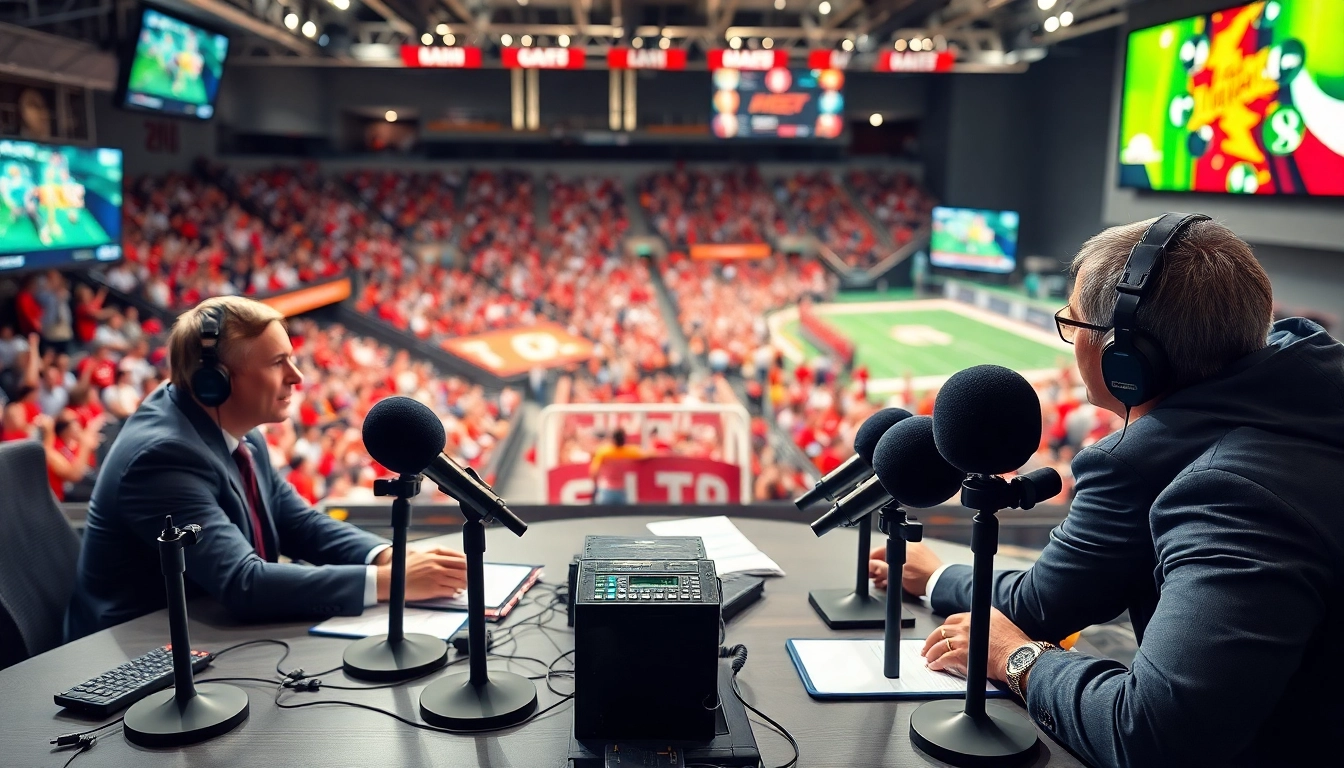
Understanding Sports Broadcasting
Defining Sports Broadcasting
Sports broadcasting refers to the distribution of sports events through various platforms such as television, radio, and, increasingly, online streaming. This practice allows audiences to consume sports content in real-time and enhances their experience of the game. At its core, sports broadcasting seeks to engage fans by delivering expert commentary, analysis, and behind-the-scenes insights. The industry has transformed significantly over the decades, shifting from traditional television to digital platforms that cater to the evolving preferences of sports fans. For comprehensive insights on this topic, visit Sports Broadcasting.
The Evolution of Sports Broadcasting
The roots of sports broadcasting can be traced back to the early 20th century when radio broadcasts brought live sports coverage to public audiences for the first time. This innovation paved the way for television broadcasts, which fully transformed the experience of watching sports by providing visual engagement alongside audio commentary. Over the years, advancements in technology, coupled with audience demands, have led to a significant evolution in the industry. From the introduction of color television to the dawn of cable sports channels and now to streaming services, these developments have enabled viewers to enjoy a more immersive experience than ever before.
Key Functions of Sports Broadcasting
Sports broadcasting serves several key functions that contribute to its overall effectiveness and appeal:
- Information Dissemination: Providing real-time updates on scores, player statistics, and key plays.
- Entertainment: Enhancing viewer engagement through commentary, analysis, and special segments.
- Promotion: Supporting teams and sports organizations by showcasing their activities and engaging with sponsors and advertisers.
- Community Building: Creating a sense of camaraderie among fans through interactive viewing experiences and social media integration.
Importance of Audience Engagement
Understanding Audience Preferences
Understanding audience preferences is essential for successful sports broadcasting. Different demographics exhibit varying interests, and the ability to tailor broadcasts to these preferences can significantly enhance viewer satisfaction. Key factors to consider include age, previous sports viewership, and preferred consumption methods (e.g., traditional television vs. streaming). Conducting surveys and analyzing viewership data can provide valuable insights into what audiences want from their sports content.
Methods for Enhancing Viewer Interaction
Enhancing viewer interaction involves utilizing multiple channels for engagement. Social media platforms allow broadcasters to encourage interaction through live polls and comments during games. Utilizing apps to replay highlights and share personalized content further enriches the viewing experience. Offering exclusive content such as interviews with players or post-game analytics can also engage fans by making them feel part of the action.
Creating Engaging Content
The creation of engaging content is paramount in retaining viewer interest. Broadcasters must go beyond simple play-by-play commentary to include storytelling elements. By sharing historical anecdotes, player backgrounds, and analyzing pivotal moments in games, broadcasters can create a narrative that captivates audiences. Interactive graphics, augmented reality features, and expert guest commentators can also enhance broadcast quality and viewer intrigue.
Technological Advancements in Sports Broadcasting
Impact of Streaming Technology
Streaming technology has revolutionized sports broadcasting by enabling real-time broadcasting over the internet without the limitations of cable and satellite services. Viewers can now watch their favorite sports from anywhere with internet access, catering to the mobile lifestyle of today’s consumer. Additionally, streaming services often offer on-demand options, allowing fans to catch up on games they might have missed.
Role of Social Media in Broadcasts
Social media plays an increasingly integral role in sports broadcasting. Platforms such as Twitter and Instagram not only offer real-time updates but also serve as platforms for fan engagement. Broadcasters leverage these platforms to share live highlights, engage in conversations with fans, and provide behind-the-scenes glimpses that can keep audiences engaged long after a game has ended. Creating a robust digital presence allows broadcasters to reach wider audiences and create dedicated fan communities.
Future Trends in Sports Broadcasting Technology
Looking towards the future, several trends are shaping the landscape of sports broadcasting technology. Virtual reality (VR) and augmented reality (AR) are predicted to enhance viewer experiences by providing immersive environments. Additionally, artificial intelligence (AI) technologies are anticipated to streamline operations and offer personalized content recommendations. Blockchain technology also holds potential in ensuring transparency in broadcasting rights and fan engagement.
Best Practices for Sports Broadcasting
Building a Strong Broadcast Team
A strong broadcast team is foundational to delivering quality sports content. This team should consist of knowledgeable commentators, experienced producers, and technical staff who understand the nuances of the sport being covered. Creating a collaborative environment, where each member contributes their expertise, enables seamless broadcasts that resonate with audiences. Ongoing training and professional development are also essential in keeping team members updated with industry trends.
Effective Marketing Strategies
Effective marketing strategies are vital for promoting sports broadcasts. Utilizing social media for promotions, collaborating with influencers, and leveraging partnerships with teams enhance visibility. Additionally, developing targeted advertising strategies that resonate with specific audience segments can drive engagement and viewership. Engaging in community events and sponsorship opportunities can also reinforce brand presence and relatability.
Measuring Broadcasting Success
Measuring the success of sports broadcasting involves analyzing various metrics. Key performance indicators (KPIs) such as viewer ratings, audience retention rates, social media engagement, and feedback surveys provide insights into broadcast effectiveness. Conducting thorough analysis post-broadcast can identify strengths and areas for improvement, allowing teams to continually refine their strategies and enhance future broadcasts.
FAQs about Sports Broadcasting
What is Sports Broadcasting?
Sports broadcasting is the transmission of sports events through various mediums, primarily focusing on television, radio, and online streaming platforms.
How does technology influence Sports Broadcasting?
Technology influences sports broadcasting by enhancing viewer experiences through streaming, social media engagement, and advanced analytics, making content more accessible and interactive.
Why is audience engagement important?
Audience engagement is crucial for building loyalty, enhancing viewer experiences, and increasing ratings, ultimately leading to higher revenues for broadcasters.
What skills are necessary for a sports broadcaster?
Essential skills for a sports broadcaster include strong communication, analytical thinking, in-depth knowledge of the sport, and the ability to engage with viewers effectively.
What are the future trends in Sports Broadcasting?
Future trends in sports broadcasting include the rise of virtual reality, artificial intelligence for personalized content, and increased use of social media for engagement and interaction.